Program note · Writing · 6 Sep 2026
How to illustrate a stamp you are not allowed to show
A modern stamp design is under copyright, so the atlas never shows a scan. Instead it draws original engravings from the stamp's subject, generated once and kept forever.
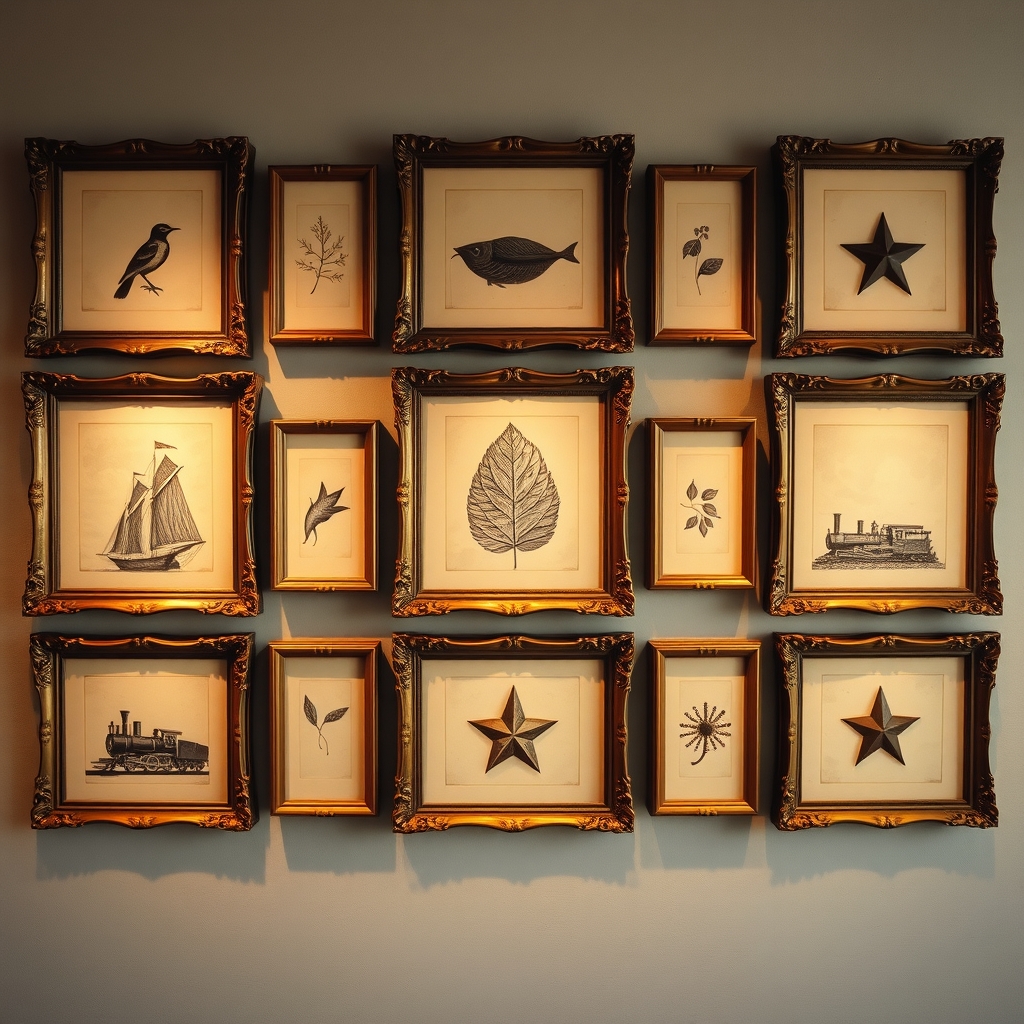
I wanted the stamp pages in the atlas to feel like an atlas, with an illustration beside each entry. There is an obvious way to do that and it happens to be illegal. A modern stamp design is under copyright, held by the postal authority or the artist who drew it, and a scan of one is a copy. So the atlas is never allowed to show you the actual stamp. And a page with a blank grey rectangle where the picture should be is a sad page.
The way out is to draw something original, from the stamp's subject rather than from the stamp, once, and keep it forever.
The subject, never the stamp
The distinction that keeps this clean is that the art comes from the subject, never from the image.
A 1935 Ceylon stamp shows a tea picker on a hillside. So the prompt is a tea picker on a hillside, a nineteenth century copper plate engraving, sepia and terracotta on aged parchment. The prompt is never "the 1935 Ceylon stamp." What comes back is an original illustration of the same thing the stamp is about. It is not a copy, it does not try to be, and the page says exactly that in a caption underneath it. The compass rose, the cabinet of drawers, and the blank leaf you see around the site were all drawn this way.
One small endpoint
I generate these with Cloudflare Workers AI, using the Flux text to image model, called from a small worker. There is a pleasant property to running it inside a worker. The model is reached through a binding, so there is no API key to carry or leak. You post a prompt, you get back a JPEG. The whole image pipeline is one endpoint and about forty lines.
Generate once, keep forever
The rule I care about most here is the same one that runs through the rest of the project. Do the expensive thing one time and keep the result.
When a stamp earns a bespoke plate, the image is generated a single time, stored, and recorded as an assertion with its prompt, its model, and the date. Every later reference to that stamp reads the same stored image. The generator checks for an existing plate before it runs, so the model never fires twice for the same stamp, at any point in the future. The art becomes part of the permanent record, earned once, exactly like the photograph and the identification that came before it. If I ever want better art, that is a new record that supersedes the old one, and the first attempt stays in the history.
The budget forces honesty
Flux is not cheap. The free allowance is ten thousand neurons a day, and a small batch of images can burn through it. So bespoke generation is reserved for the stamps that earn it, the featured one of the day and the ones that have a written story. Everything else draws on a small library of hand made engravings keyed to a theme, ships, monarchs, agriculture, which costs nothing to place and keeps the set looking like one hand drew it.
The honest fallbacks are the real point. A stamp's picture is in one of four states. Original art. In copyright, so the image is withheld. Pending, meaning no plate has been drawn yet. Or, for the many stamps that are simply plain, nothing at all, and the page stands without it. Every page is built to be complete and readable with zero images. A picture is only ever allowed to enrich a page that already worked.
Where it falls down
The model drifts. Ask for an engraving and you sometimes get a warm oil painting instead. Anything map shaped loves to invent place names no matter how firmly the prompt forbids text, and legible invented text is a hard no in a project about not inventing things, so those get redone or dropped. And "draw from the subject" leans on the subject being known, which loops straight back to identification, which is slow. A stamp with no confirmed subject gets no bespoke plate, only the honest pending frame, until a person has looked.
That is the four part tour. An atlas that only says what it knows. A machine that proposes but never decides. A log you reprocess forever from a single photograph. And illustrations drawn from the subject and never the stamp. The site is at stampatlas.danmat.dev, mostly blank paper for now, filling in one album at a time.